
The Church in Wales’ vote last week to make permanent its provision for same-sex blessings has drawn a sharp response from Bishop Stuart Bell, who warns the decision will lead to further departures from the province.
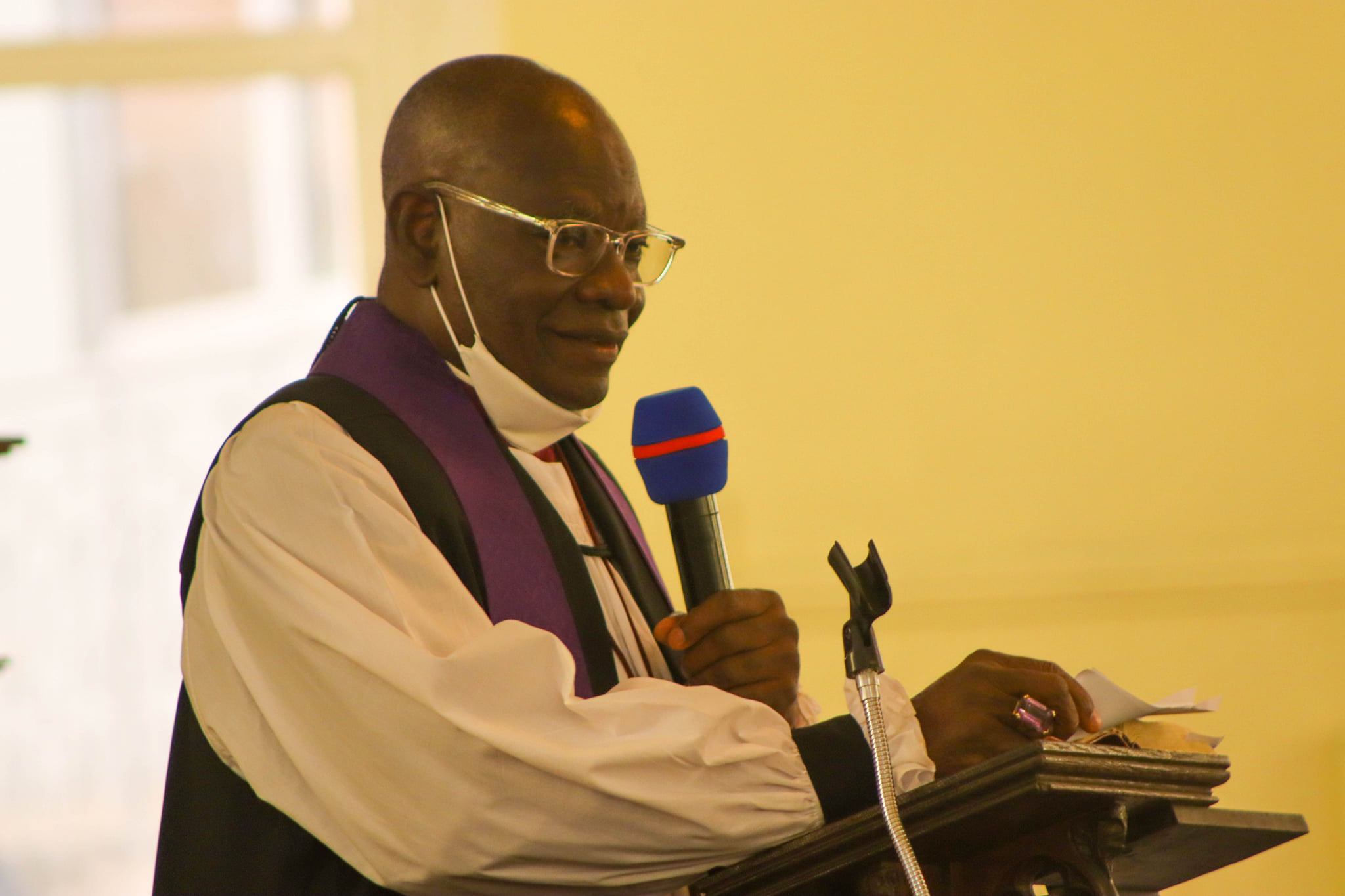
In an exclusive statement to Anglican.Ink, Bishop Bell said the move confirms that hopes for a return to what he described as the clear teaching of Scripture have not been realized, and that a new wave of clergy and laity is now likely to leave.
The Church in Wales is about to lose another tranche of clergy, lay leaders and church members after its decision to make permanent a service of blessing for same-sex couples. Many left at the beginning of the experimental period of provision in 2021 whilst others have been waiting to see if the passage of five years would be sufficient to bring the church back to the clear teachings of Scripture on the subject of human relationships. Clearly not.
Archdeacon Andy Grimwood warned the Governing Body of the Church in Wales quite prophetically that pain lay ahead if they ignored the views of orthodox members both in Wales and the Global Anglican Communion. Regrettably, they deliberately and dismissively voted against the Bible.
What makes it hardest of all to bear is that it doesn’t have to be like this, although at least the Anglican Convocation Europe is here to welcome all those who can no longer bear the direction of travel of the Church in Wales.
Stuart Bell, Assistant Bishop in the Anglican Convocation Europe
The Governing Body’s decision formalizes a provision first introduced on an experimental basis in 2021. While some left at that time, others remained in the Church in Wales in the expectation that the measure might not be made permanent.
Warnings about the consequences of such a move were raised during the debate. Archdeacon Andy Grimwood told members that proceeding without regard for orthodox Anglicans in Wales and across the wider Communion would lead to division. Bishop Bell’s statement indicates that those concerns are now being realized.
The Anglican Convocation Europe (ACE), with which Bishop Bell is associated, has signaled that it is prepared to receive clergy and congregations seeking alternative oversight. His remarks present ACE as an option for those who conclude they cannot remain under the Church in Wales’ current direction.
The vote places the Church in Wales alongside other Anglican provinces that have authorized blessings for same-sex couples, a development that continues to deepen divisions within the Anglican Communion, particularly among provinces that maintain traditional teaching on marriage.
Further departures and realignments are expected in the months ahead.
George Conger
Anglican Ink