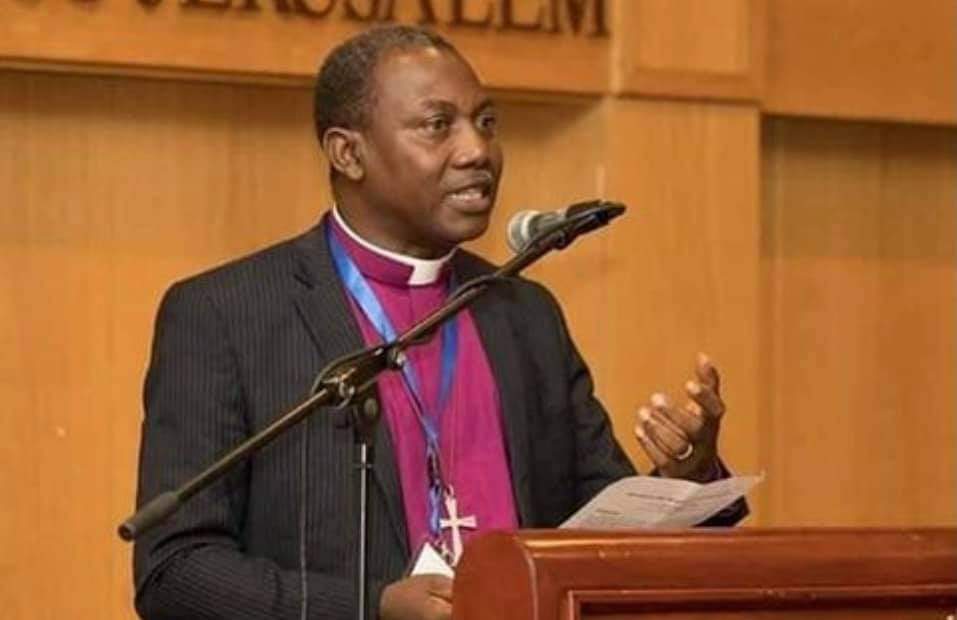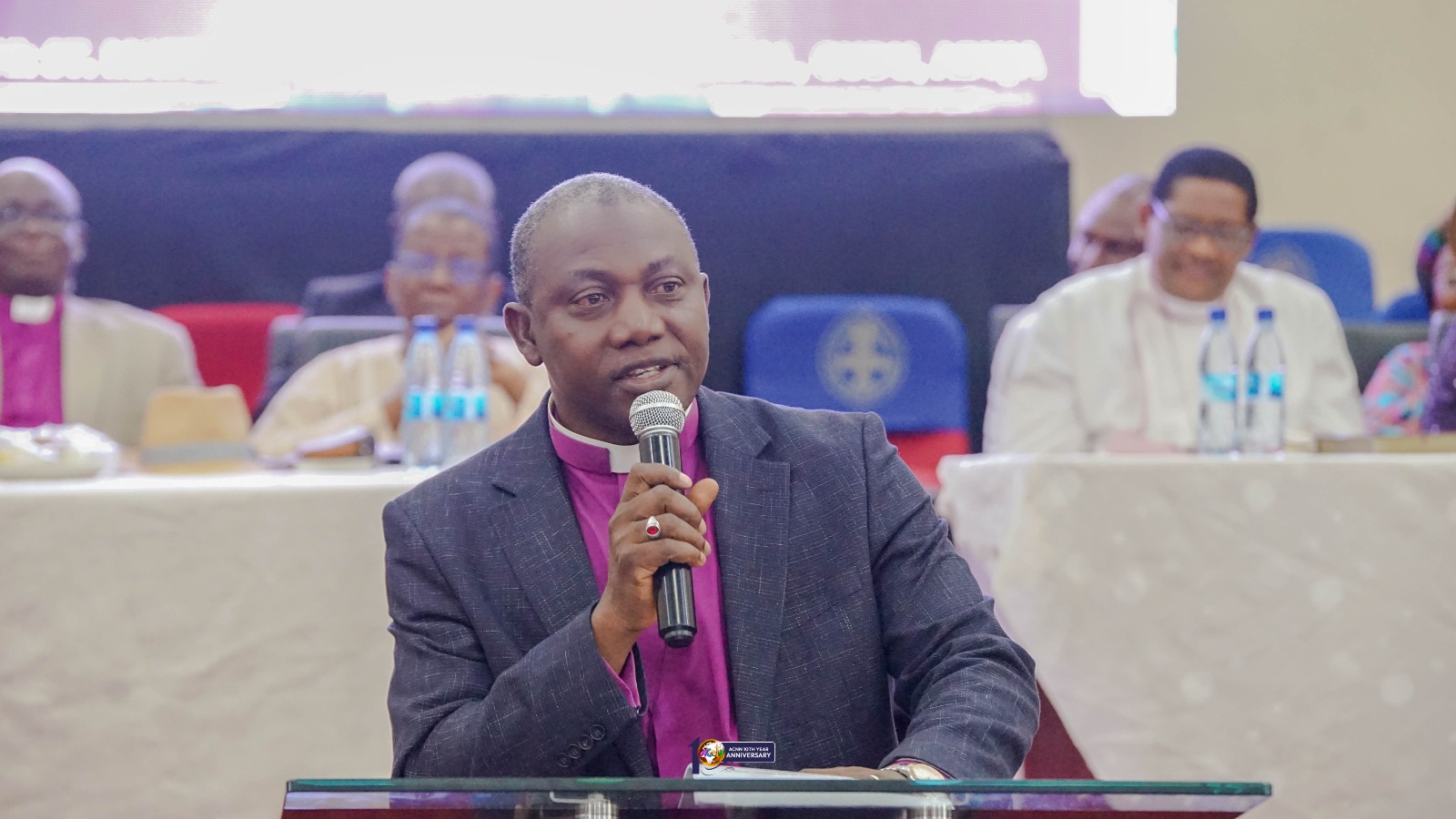


The Most Revd. Sosthenes Ikechukwu Eze, Ph.D., Archbishop of Enugu Ecclesiastical Province, has sounded a strong alarm regarding what he describes as an “identity crisis” among Igbo youths.
Addressing the Sonship Manifestation Youth Conference in the Diocese of Nsukka, Anglican Communion, Archbishop Eze delivered a pointed keynote address on “Identity Crisis: Why Igbo Youths Are Returning to Idolatry and How to Break Free,” calling for urgentinterventions, he said it is leading to a concerning resurgence of idolatry and fetish practices.
Archbishop Eze underscored that a significant number of young Igbo people are unable to define their identity, leading to confusion and a desperate, misguided search for belonging in idolatrous practices. He lamented that this is a symptom of deeper societal issues across religious, political, social, and economic spheres.
He cited serious economic hardship pushing youths toward “quick fixes,” a societal loss of moral bearings that glorifies wealth regardless of its origin, and a lack of sound faith and patience that drives them to seek instant gratification. The pervasive influence of social media, with its flaunting of ill-gotten wealth, further entices young people into this perilous pursuit.
He further delved into the foundational causes, using Prov 22:6 as a guide, he stated that the family, intended as the primary nurturing ground, has often become a “den of troubles and ungodliness,” alienating young people from divine principles. He pointed to alarming divorce rates and dysfunctional homes as significant contributors.
In addition, he challenged the church itself, suggesting that many leaders struggle with personal and marital issues, rendering them ill-equipped to guide their congregants effectively. He also criticized a lack of genuine encounters with Christ, the prevalence of a “gospel without power” that fails to transform lives, and widespread disappointment stemming from false prophecies and unmet expectations promoted by “untrained and self-seeking preachers.”
The Archbishop also condemned the “incomplete and overblown prosperity gospel” that fails to teach repentance, righteousness, and the readiness to endure suffering for Christ. He highlighted the “lack of understanding of the full content of the gospel,” which leaves many youths susceptible to deception.
Using the word in Mathew 24:11-12 “Then many false prophets will rise up and deceive many. And because lawlessness will abound, the love of many will grow cold”, he denounced the “abuse of prophetic ministry” by covetous ministers who mix truth with lies, leading to disillusionment and a return to ancestral religions
He also lamented an “infantile concept in ministry” where ministers foster dependence rather than empowering believers to grow maturely. Lastly, he identified the “impact of New Age Movement and Globalization” as contributing factors, with Western secularism influencing Igbo youths to abandon Christian doctrines for what they mistakenly perceive as cultural revival, even rebuilding ancestral idols.
The Archbishop warned of the devastating consequences of idolatry, including alienating people from God, leading to bloodshed with negative generational effects, kindling divine wrath, and bringing about destruction, backwardness, and distorted destinies. He stated unequivocally that idolatry “breeds sexual immorality, bloodshed, kidnapping, ritual killings, armed robbery, violence, community/ethnic and religious wars,” concluding that it is “the mother of all evils.”
To break free from this destructive cycle, Archbishop Eze proposed a comprehensive strategy. This includes reorientation and mentorship from traditional rulers and religious leaders, coupled with deep rooting in God’s word and discipleship.
He emphasized the need for government and the private sector to create meaningful job opportunities and support entrepreneurship, with the church also playing a role in youth empowerment through character and competence building.
Archbishop Eze concluded by reiterating that the identity crisis facing Igbo youths demands a comprehensive response. He implored them to return to God in the faith of Jesus Christ, emphasizing that idolatry is inherently destructive and will invariably truncate their future and destiny.
DIANE OCHEIKWU