
According to a recent statement from the Presidency, Nigeria has seen its total revenue collections for the first eight months of the year reach a historic high of N20.59 trillion.
This marks a significant 40.5% increase from the N14.6 trillion recorded during the same period in 2024.
The Presidency has hailed this as a historic shift in the country’s fiscal landscape, attributing the surge to a strong performance in non-oil revenue. Of the total revenue, an impressive N15.69 trillion was generated from non-oil sources, meaning that for the first time in decades, non-oil receipts now account for three out of every four naira collected by the government.
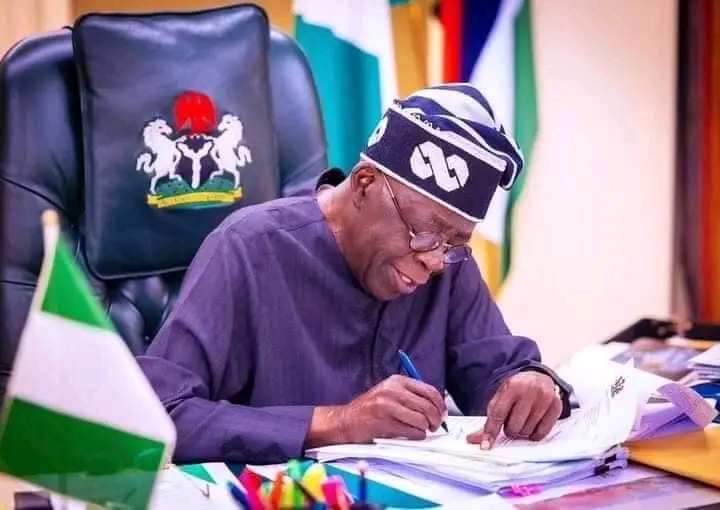
President Bola Tinubu, while addressing a delegation of The Buhari Organisation (TBO), noted that the government has not needed to borrow from local banks since the beginning of the year, a clear sign of improved fiscal health.
The statement highlighted that the revenue growth is a direct result of his administration’s reforms aimed at strengthening tax compliance, digitizing tax administration, and broadening the nation’s fiscal base.
The impact of this fiscal turnaround is already being felt, with unprecedented disbursements from the Federation Account Allocation Committee (FAAC).
“For the first time in history, monthly allocations to states and local governments crossed ₦2 trillion in July 2025, providing subnational governments with greater fiscal space to fund food security, infrastructure, and social services.”
Customs collections also over-performed, with N3.68 trillion realized in the first half of the year, which is N390 billion above the target and represents 56% of the full-year goal. This success is attributed to systemic changes, including the automation of filings and tighter enforcement.
Commenting on the figures, Bayo Onanuga, Spokesperson to President Bola Tinubu, stated, “Nigeria’s fiscal foundations are being reshaped. For the first time in decades, oil is no longer the dominant driver of government revenue. The combination of reforms, compliance, and digitisation powers a more resilient economy. The task ahead is to ensure that these gains are felt in the lives of our citizens and in better schools, hospitals, roads, and jobs.”
While the Presidency is pleased with the progress, it also acknowledged that the current revenue figures still fall short of the government’s ambitious spending plans for education, healthcare, and infrastructure.
“Notwithstanding, these increases in revenues do not yet match the President’s ambitions for expenditures on education, health, and infrastructure; therefore, all efforts are being made to address these gaps,” the statement read.
It noted that efforts are still ongoing to close these gaps and ensure the benefits are translated into tangible improvements in the lives of Nigerians.
Read the full statement below: