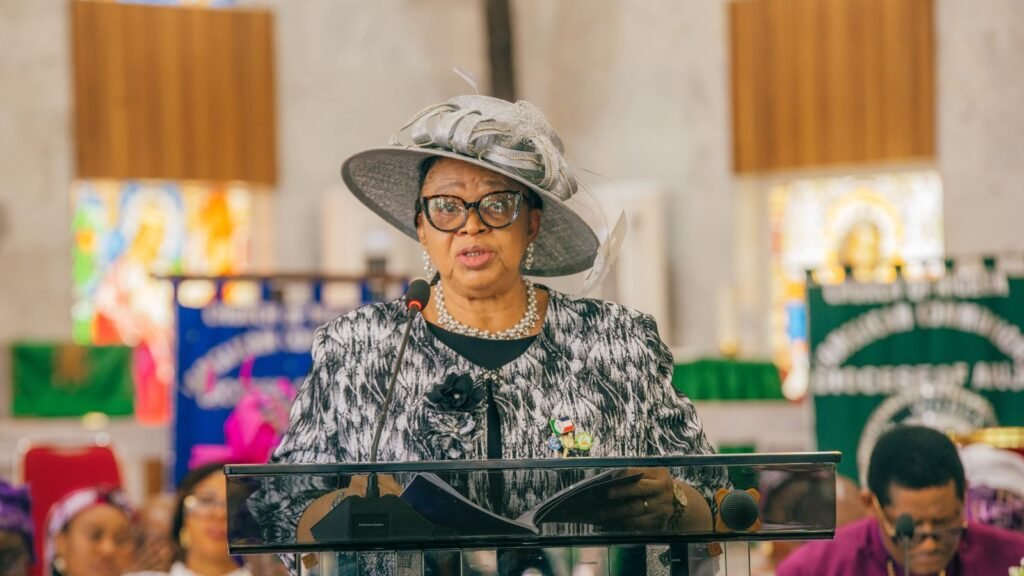

The just concluded annual Abuja Diocesan Women’s Conference focused on the theme, “The Unchangeable Promises of God: The Covenant Keeping God.”
Drawing texts from Gen. 15:18, Ex. 2:24, and Num. 23:19, the theme aimed at providing more context to the unchangeable nature of God and the need for man to depend solely on Him rather than worldly pleasures.
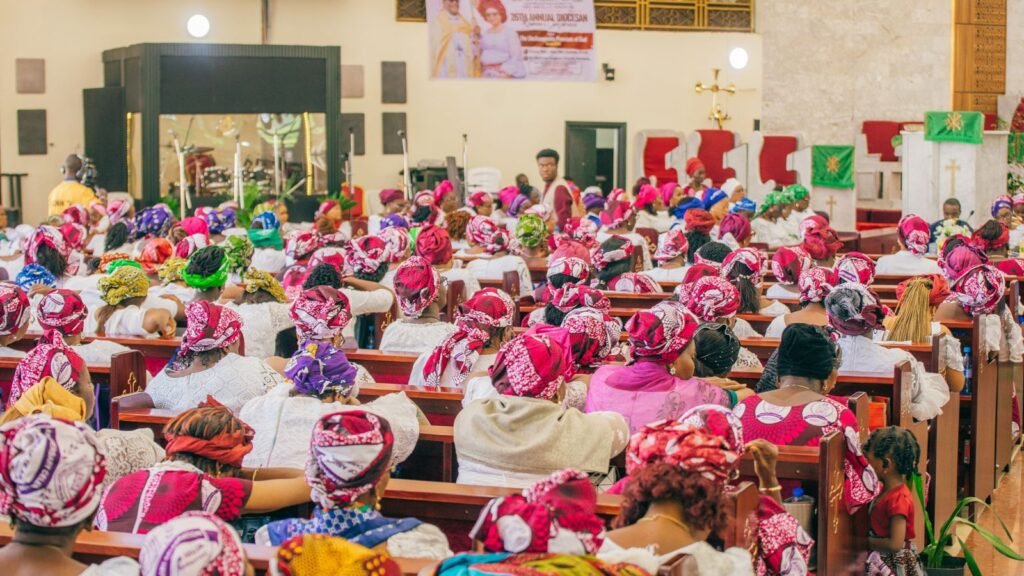
The conference was held at St. Matthew’s Anglican Church Maitama, Abuja from 16th to 19th October, 2025.
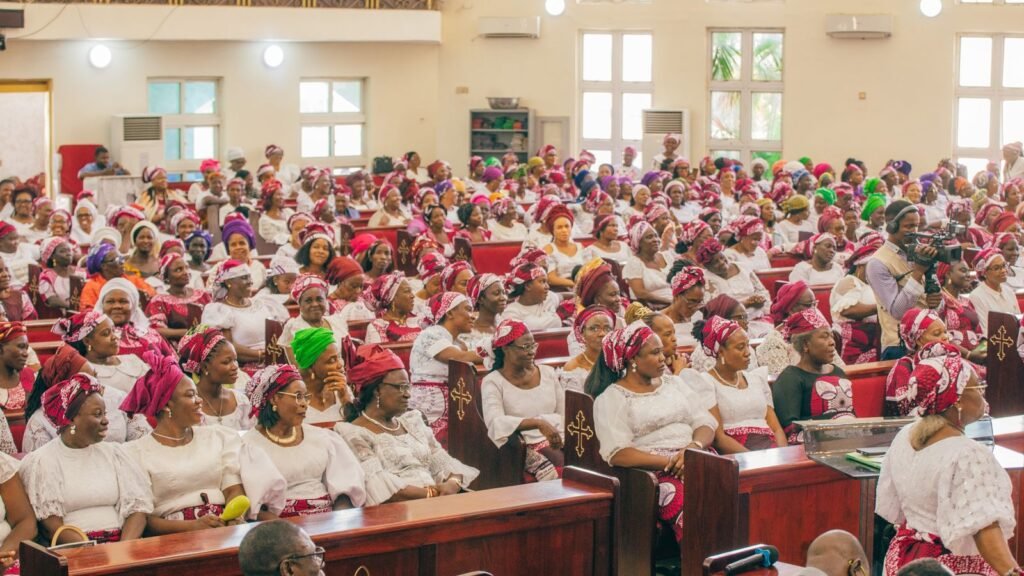
Delivering her presidential address at the conference, the President of the Mothers’ Union, Women’s Guild, Girls’ Guild and Priceless Jewels, Mrs Angela Eberechukwu Ndukuba encouraged Christians to depend solely on God’s promises which are unchangeable in a changing world.
Her core message stressed God’s immutability—His inability to change or be altered—as the bedrock for all His declarations. Unlike fragile human promises, God’s pledges are described as static, unwavering commitments rooted in His eternal character.
Central to the conference’s teaching was the declaration that while the world is dynamic—with people aging, plants wilting, and weather changing—God remains the same: “I am the alpha and the omega… Who is and who was and who is to come, the almighty” (Rev. 1:8).
This unchanging nature, or immutability, ensures that God’s promises of love, mercy, and justice are steadfast, providing a reliable anchor for the soul (Hebrews 6:17-20). The certainty of God’s word is summed up by the Scripture: “God is not a man, that He should lie, nor a son of man, that He should change His mind” (Numbers 23:19). This attribute provides believers with assurance and confidence in His ability to fulfil His Word.
Mrs Ndukuba clarified the relationship between promises and covenants, two critical things taken from the bible passages; A promise was defined as a typically unilateral declaration to do or not do something, often informal. A covenant, however, is a more formal, two-sided, binding agreement or contract between God and humanity. Covenants involve mutual obligations and consequences, often being solemn, lasting relationships.
Historically, covenants were solemnized through rituals, such as the use of blood sacrifices in the Old Testament, signifying the gravity of the agreement.
Despite their differences, both involve a commitment and rely on trust and faith between the parties involved.
The theme emphasized God’s persistent faithfulness to uphold His covenants, even when humanity fails. Major biblical covenants were highlighted to show God’s consistent action:
• Adamic Covenant (Gen. 2:16-17): Established the original relationship and condition for life in Eden.
• Noahic Covenant (Gen. 9:8-17): God’s promise, sealed by the rainbow, to never again destroy all life on earth with a flood, a promise still evident in the stability of seasons.
• Abrahamic Covenant (Gen. 15:18-21, 17:5, 7, 11): The promise of land and becoming the “father of many nations,” a blessing still claimed by Christians today.
• Mosaic/Sinaitic Covenant (Deut. 5:2-3): God’s conditional agreement at Mount Sinai, establishing the Law and the Ten Commandments.
• Davidic Covenant (2 Sam. 7:12-16): The promise of an eternal throne and kingdom for David’s descendant, ultimately fulfilled in Jesus Christ.
The culmination of these commitments is the New Covenant in Christ (Jer. 31:31-34, Luke 22:20). This covenant is one of grace and forgiveness, established through the blood of Jesus. It ensures a new and transformed heart with God’s law written on the minds of believers, offering a personal, direct relationship with God and the free gift of salvation and eternal life through faith (John 3:16).
The significance of these unchanging promises lies in the hope, security, and assurance they provide to believers, especially amid current uncertainties in the world today. People in attendance were encouraged to claim specific promises related to:
• Protection and Safety: Never leaving or forsaking His people (Joshua 1:5).
• Guidance and Wisdom: Instructing us in the way we should go (Psalm 32:8).
• Salvation and Forgiveness: Offering forgiveness to those who repent (1 John 1:9).
• Provision and Care: Supplying all our needs (Philippians 4:19).
• Peace and Comfort: Guarding hearts and minds (Philippians 4:6-7).
• Healing (James 5:14-15) and Fruitfulness (Psalm 128:3).
Accessing these benefits, she concluded, requires a personal relationship with God, obedience to His Word, and exercising faith and trust in His character. “The covenant-keeping God offers a stable, reliable foundation that transcends all cultural and temporal shifts, ensuring that God’s great and eternal Will is for His people to be blessed” she added.