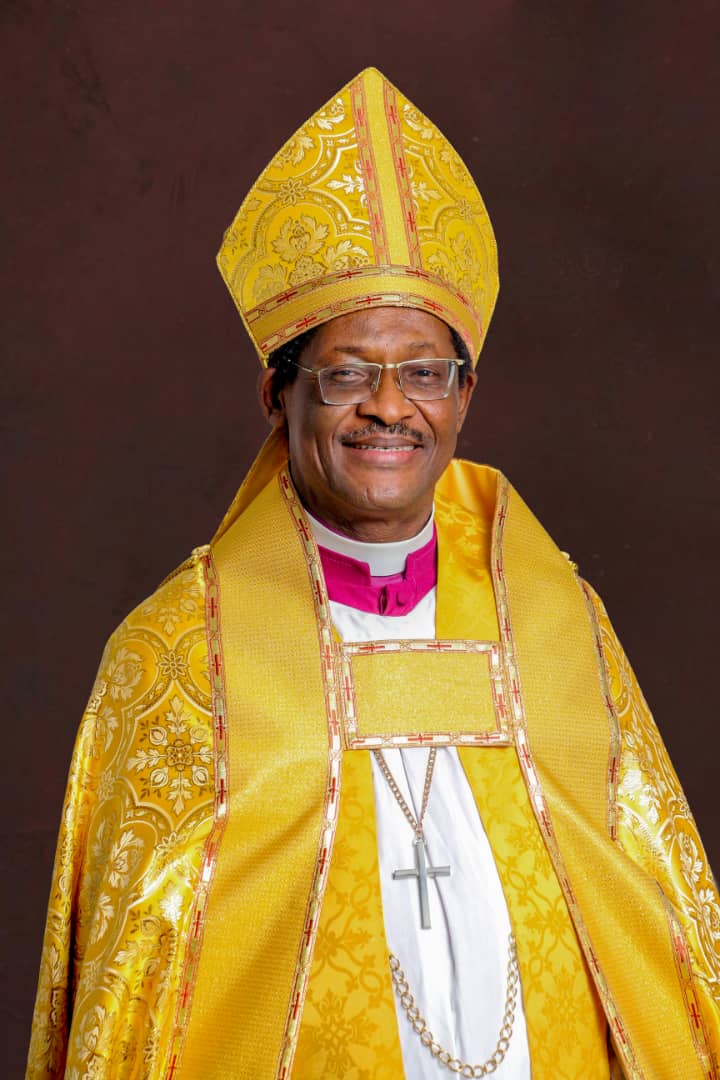


Venerable David Nwanekpe, a senior Anglican clergyman, has issued a statement clarifying the distinction between different types of “Canon” titles within the Anglican Church.
He highlighted that the title conferred in the Church of Nigeria North American Mission (CONNAM) is purely ceremonial and not a formal ecclesiastical office.
He explained that the ecclesiastical dignity of “Canon” is deeply rooted in diocesan structures and cathedral governance, but not all canons hold the same status.
According to Ven. Nwanekpe, this clarification is essential to preserving the integrity of the Anglican order.
Ven. Nwanekpe defines a statutory canon as an ecclesiastical officer appointed under the statutes of a diocese. This role is tied directly to a cathedral and its bishop, and it comes with specific responsibilities in the cathedral’s worship, governance, and mission.
A crucial requirement is that a statutory canon must belong to a diocese, as the office is inseparable from the diocesan cathedral’s life and administration.
He contrasted this with an honorary canon, a title also conferred by a bishop. This designation is primarily a recognition of distinguished service and does not necessarily come with regular governance duties. While an honorary canon may have a ceremonial seat in the cathedral, their appointment is still dependent on a diocese and its bishop.
The Venerable made a key distinction regarding the CONNAM structure. As a mission under the Church of Nigeria, CONNAM “does not have a diocese in the canonical sense. Since there is no diocese, there is no cathedral chapter, and therefore the statutory category of canon cannot exist in CONNAM.”
Consequently, any “canon” title conferred within CONNAM is not statutory and is not part of the formal ecclesiastical order of the Anglican Church.
The statement concludes that such a title is ceremonial in nature, serving as an honor or recognition, but it does not carry the same ecclesiastical status or responsibilities as a canon in a diocese.
This distinction, the statement emphasizes, is vital to safeguard Anglican polity and prevent confusion between formal ecclesiastical order and honorary recognition.