
In a nation as vibrant and dynamic as ours, where the median age hovers around 18 years, and over 60% of the population is under 30 years of age, the youth are not merely the leaders of tomorrow—they are the Church and heartbeat of today.
This means that the future of the Church is not tomorrow — It is already here, in the lives, voices, and visions of our young people. They bring energy, creativity, boldness, and vision.
The Bible abounds with examples of God calling upon the young to fulfil His purposes. For instance, when Jeremiah protested, “Ah, Lord GOD! Behold, I cannot speak, for I am a youth”, God responded: “Do not say, ‘I am a youth,’ For you shall go to all to whom I send you, And whatever I command you, you shall speak.” (Jeremiah 1:6-7).
Similarly, Timothy was exhorted by Paul: “Let no one despise your youth, but be an example to the believers in word, in conduct, in love, in spirit, in faith, in purity.” (1 Timothy 4:12). These passages remind us that youthfulness is no barrier to divine service; rather, it is a vessel for fresh vision and unwavering zeal.
In the Church of Nigeria, our youth embody this biblical truth. Young Nigerians are stepping up as worship leaders, evangelists, and community builders. They bring innovation—using digital platforms to spread the Gospel, organising youth retreats that blend ancient liturgy with contemporary music, and addressing societal issues like unemployment and mental health through faith-based initiatives.
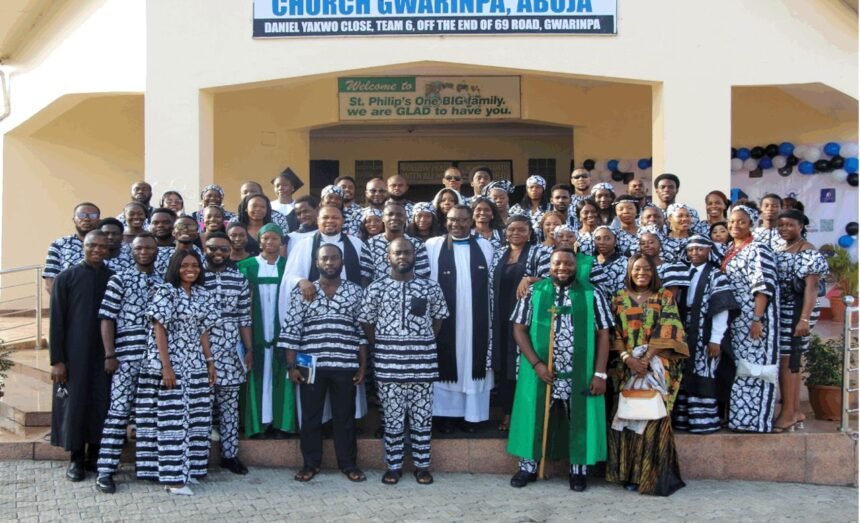
The youth of my Parish concluded their Youth Week today. What they did in terms of organisation, empowerment, officiating in Church Service and other activities was marvellous.
The Youth, indeed, have great abilities and capacities, however, many youths today feel disconnected from the Church. Some see it as too traditional, too slow to change, or irrelevant to their daily struggles. Others are drawn away by secular culture, false teachings, or the pursuit of wealth and influence.
Besides, the youths also, generally, face unprecedented pressures: identity confusion; economic hardships, with high unemployment rates leaving many disillusioned; social media which exposes them to secular influences that erode moral foundations; technological distractions and political instability and insecurity which breed fear and apathy.
The need of the Church to respond and continue responding with intentionality and urgency to the needs of the youth cannot be overemphasised. The future of our Church hinges on recognising that the youth are not passive recipients of tradition but active co-creators of it.
As the Church, we are called to be a refuge and a guide. Proverbs 22:6 instructs, “Train up a child in the way he should go; even when he is old he will not depart from it.” This means investing in holistic discipleship: not just Sunday sermons, but mentorship programs, vocational training infused with Christian ethics, and safe spaces for dialogue on faith and doubt.
Our Primate, the Most Rev. Henry Ndukuba, has often emphasised youth empowerment, aligning with the Anglican Communion’s focus on nurturing the next generation. By addressing these challenges head-on, we prevent the exodus of young talent from the Church and instead harness it for Kingdom growth.
Dioceses must prioritise youth inclusion in leadership roles, from Parish Councils to Synod delegates. We must also leverage technology, as our young digital natives can amplify the Gospel across borders, fulfilling the Great Commission (Matthew 28:19-20).
Moreover, fostering intergenerational partnerships is key. Elders provide wisdom and stability, while youth inject energy and creativity. As Ecclesiastes 11:9-10 reminds us, “Rejoice, O young man, in your youth… but know that for all these things God will bring you into judgment.” This balance ensures accountability and vitality.
We must also listen to the youth questions, value their contributions, and give them real space to lead. Young people will not commit to a Church that ignores them — but they will give their all to a Church that believes in them.
If the Church does not intentionally disciple, empower, and include its young people, it risks losing its future. The future of the Church will not be written by those who ignore their youths but by those who invest in them.
As Nigeria changes rapidly, our mission remains the same — to raise a generation of believers who love God passionately, serve society faithfully, and proclaim Christ boldly.
Join us next Sunday for another reflection on the topic: Violence and Insecurity: Can Nigeria Ever Find Peace?
CANON THEOLOGIAN, CATHEDRAL OF ADVENT, ABUJA & DIRECTOR OF THEOLOGICAL MATTERS, CHURCH OF NIGERIA